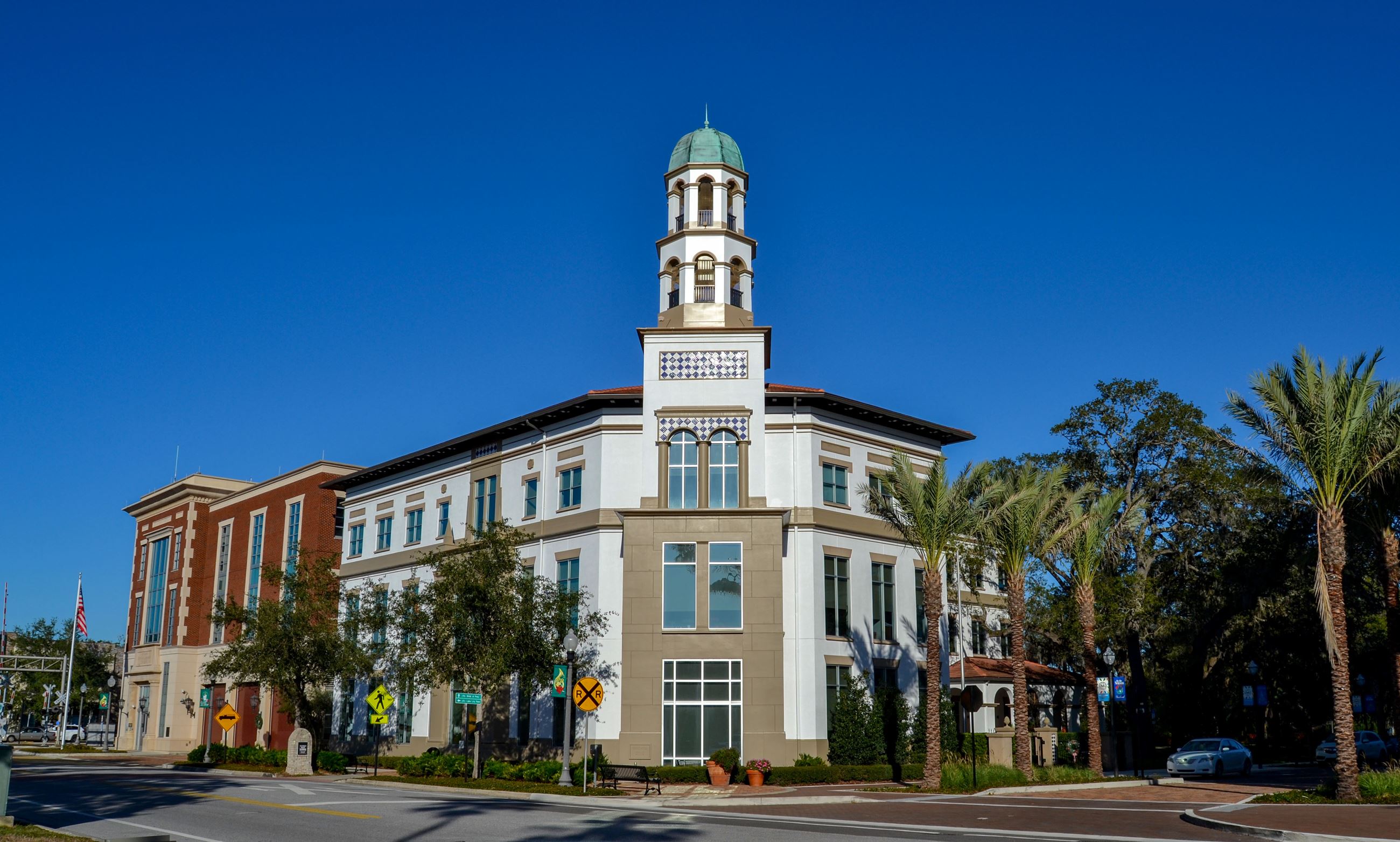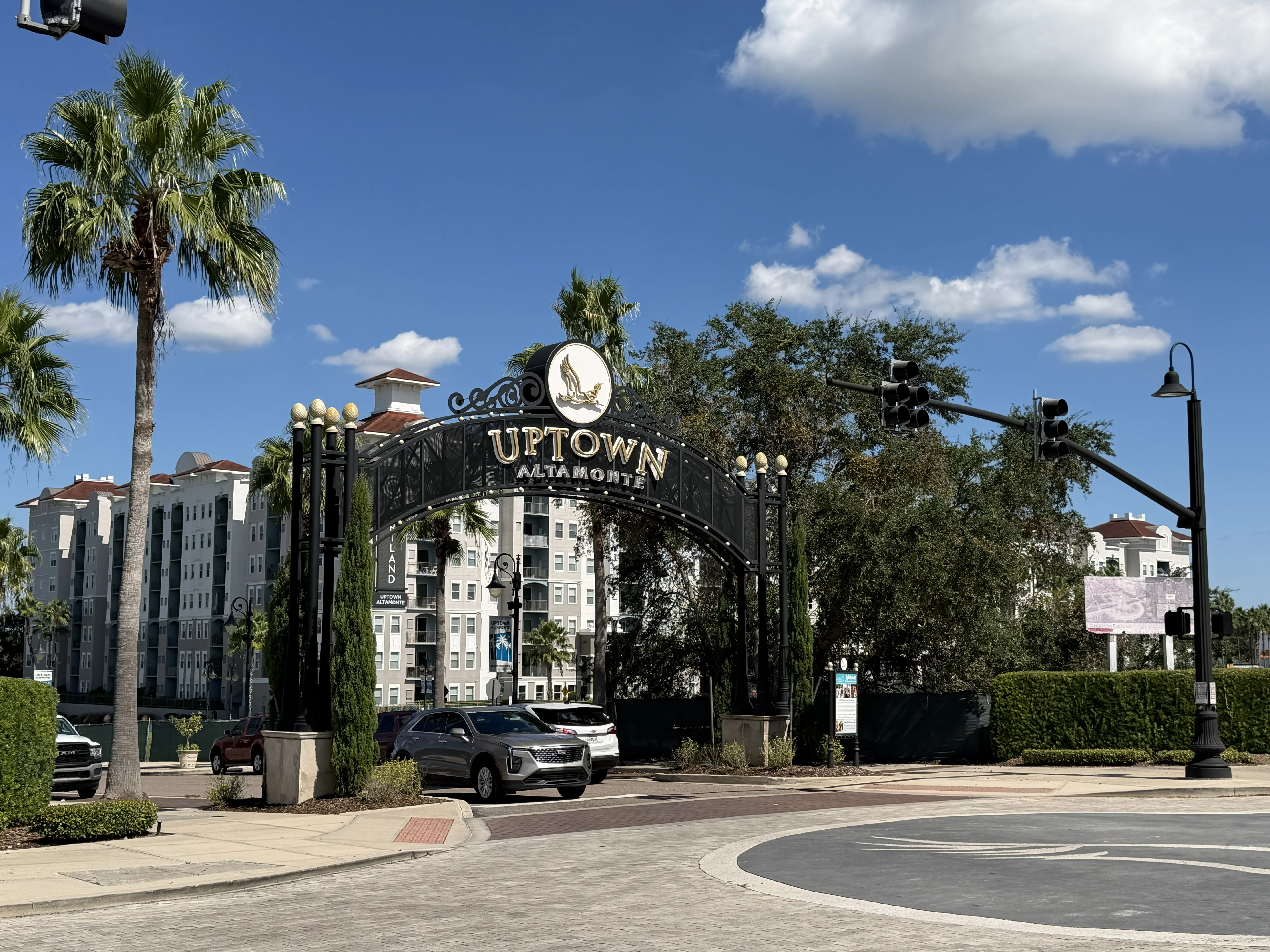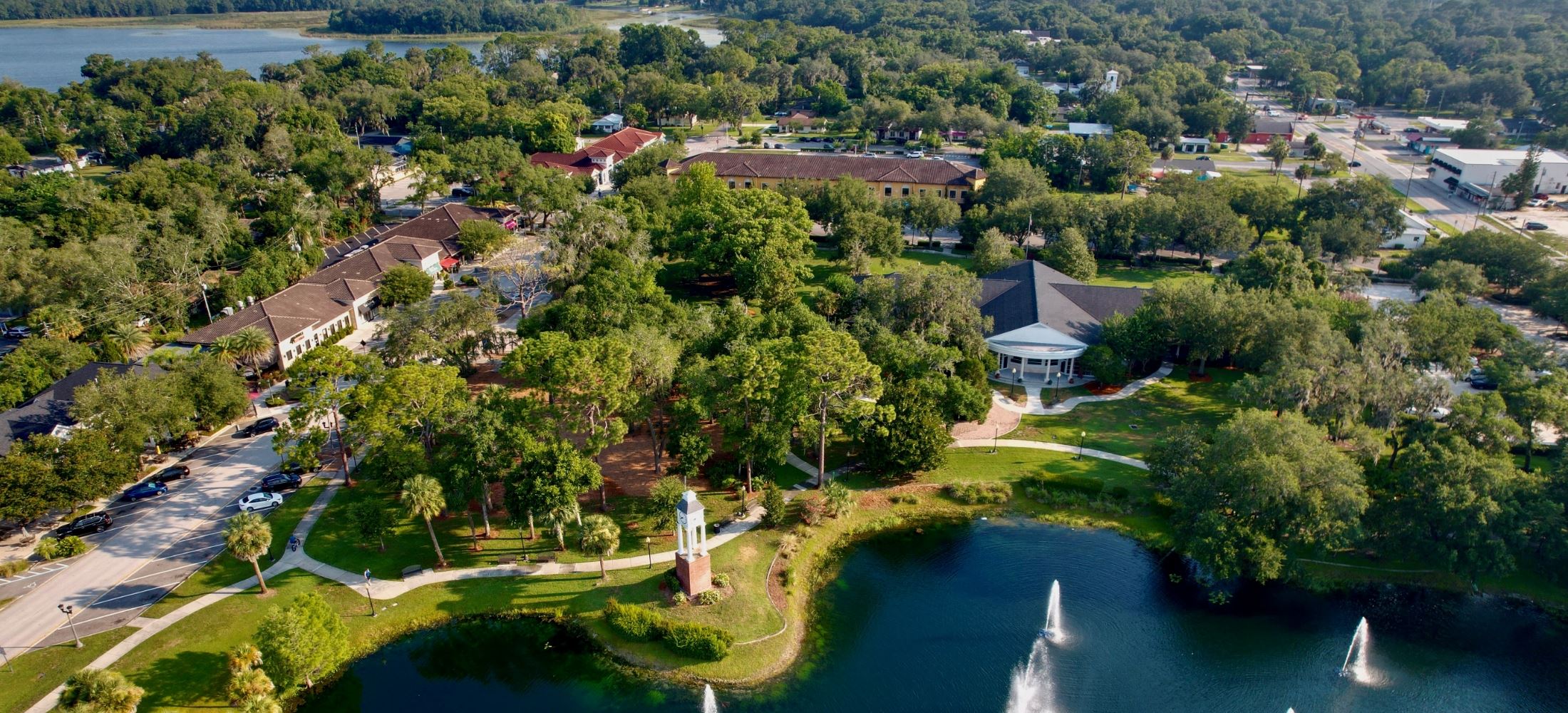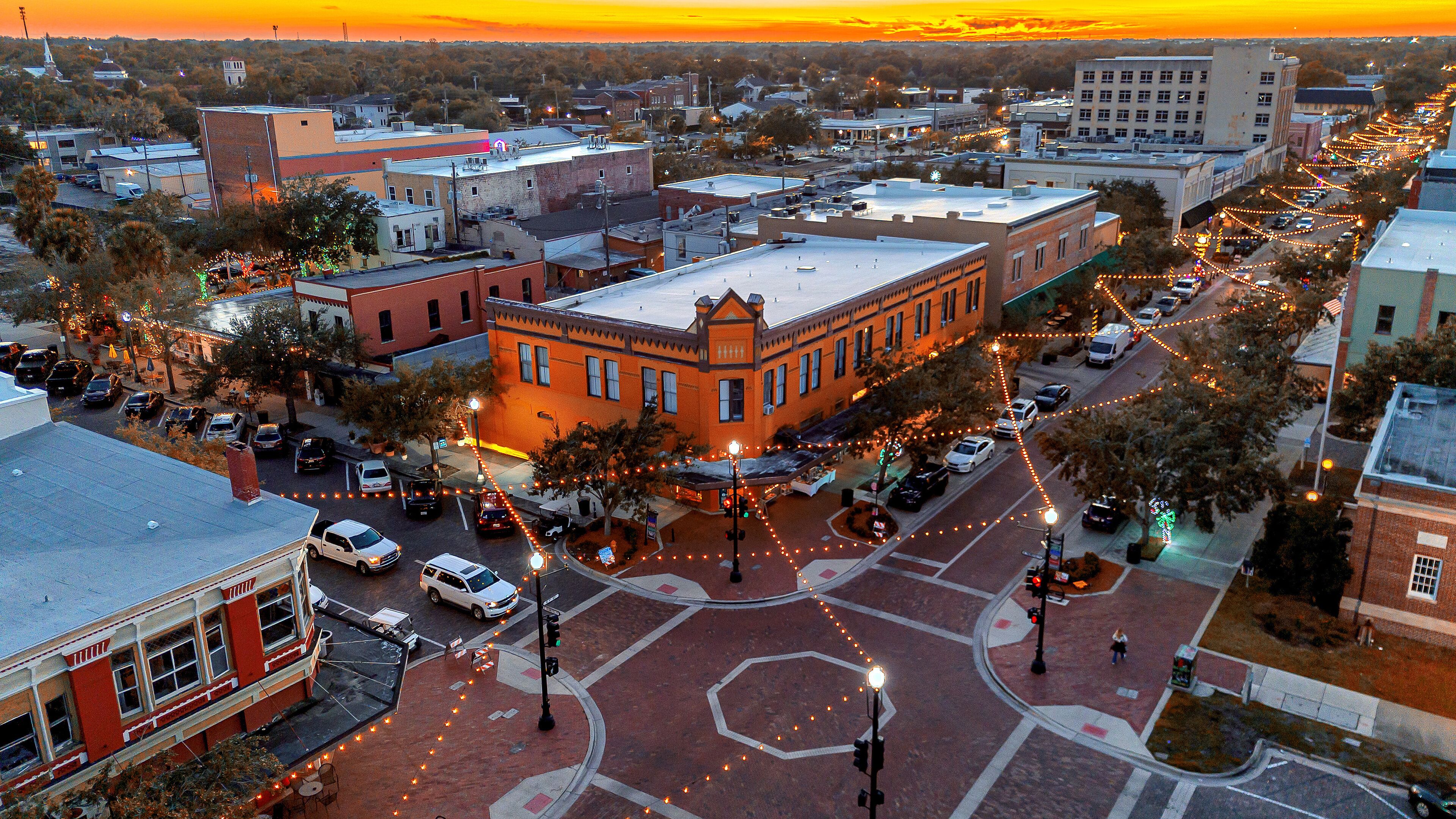
Winter Park runs one of the tightest vacancy rates in the metro, and that scarcity is the first thing a 1031 exchange schedule has to account for. Along Park Avenue and around Rollins College, strong buildings rarely sit on the market long, which means the 45-day identification window is often a race to confirm a property before it goes under contract to someone else, not a leisurely comparison of options. Any delay in financing readiness or comparable research shows up immediately here, since the margin for error is thinner than in a submarket with steadier turnover.
A Premium, Low-Turnover Property Mix
Park Avenue itself carries boutique retail, restaurants, and small professional office space in brick storefronts that lease at a premium tied to foot traffic and brand prestige rather than square footage alone. Away from the avenue, medical and professional office suites cluster near Fairbanks Avenue, while small multifamily buildings and a handful of restaurant-anchored properties fill in the surrounding blocks.
Because so much of this stock is older and infill by nature, floor plates tend to be small and site expansion is rarely an option, which shifts underwriting toward lease terms and tenant credit rather than physical building upside.
Park Avenue, Fairbanks Avenue, and the Chain of Lakes
Park Avenue and Fairbanks Avenue carry the commercial core, while the surrounding chain of lakes and Rollins College campus shape the character of nearby neighborhoods more than they shape traffic counts. A comparable sales search here should weight scarcity heavily, since Winter Park properties can trade well above broader Orlando-area comparables simply because so few come to market in a given year.
Scheduling Around a Scarce, Fast-Moving Market
Because strong Winter Park buildings move quickly, the identification sequence has to be ready to act rather than react:
- Have financing pre-approved before a target property is even identified, since Winter Park listings can go under contract within days
- Pull comparable sales going back several years, given how few premium Park Avenue transactions occur annually
- Confirm restaurant or destination-retail tenant lease terms separately from standard boutique retail tenants
- Verify parking and site constraints early, since infill lot sizes limit what a lender will finance against
- Keep a backup candidate identified immediately, since a stalled Winter Park deal leaves little time to start over
Where Winter Park Files Slip
The most common delay is starting property identification before financing is truly ready, which costs valuable days once a strong Park Avenue candidate surfaces and needs to move fast. A second slippage point is applying broader Orlando-area cap rates to Winter Park comparables, when the scarcity premium here regularly pushes pricing outside what those comparables would suggest. A third is underestimating how tightly parking and site constraints can limit financing on an infill lot, which should be checked before, not after, a strong property is identified.
Backup Path Into Nearby Established Submarkets
If a preferred Winter Park candidate is lost to a faster buyer, Maitland, Baldwin Park, Orlando, and Altamonte Springs offer the closest comparable pools with more typical transaction volume. None of them fully replicate Park Avenue's scarcity premium, so a backup candidate from any of these markets should be priced and financed on its own terms rather than benchmarked directly against the original Winter Park target.
Common 1031 Exchange Questions
Why is the 45-day identification window especially tight in Winter Park?
Winter Park has one of the lowest vacancy and turnover rates in the metro, so strong properties can go under contract within days of listing. Having financing pre-approved and a backup candidate ready before the window opens helps offset how quickly good options disappear here.
Does Park Avenue's scarcity premium affect how comparable sales should be analyzed?
Yes, cap rates and price-per-square-foot figures from broader Orlando-area comparables often understate what a genuine Park Avenue property will trade for, given how infrequently strong buildings come to market. Pulling several years of Winter Park-specific sales data gives a more accurate baseline.
What is the qualified intermediary's role in a fast-moving Winter Park exchange?
The intermediary's role is the same regardless of how quickly the deal moves: it holds the relinquished-property proceeds and prepares the exchange paperwork. Engaging the intermediary before the relinquished property closes is what keeps a fast Winter Park purchase from being disqualified on a technicality.
Can a Winter Park investor rely on the three-property rule if only one strong candidate exists?
Yes, a single property can be identified under the three-property rule regardless of value, which is common in Winter Park given how few comparable buildings are typically available at once. Backup candidates in nearby submarkets can still be listed alongside it without violating the rule.
Is boot a concern when exchanging into a smaller Park Avenue storefront?
It can be, since Park Avenue's small infill floor plates sometimes mean a lower purchase price than the relinquished property, and any resulting shortfall in value or debt can be treated as taxable boot. This is worth reviewing with a tax advisor given how differently Winter Park pricing can behave compared to a standard retail comparable.
How much lead time should a lender expect for a Winter Park infill purchase?
Because parking and site constraints are common on Park Avenue lots, a lender may take longer to review title and site plan details than on a standard suburban retail purchase. Flagging those constraints during the pre-approval conversation, rather than after a target property is under contract, keeps the closing on schedule.