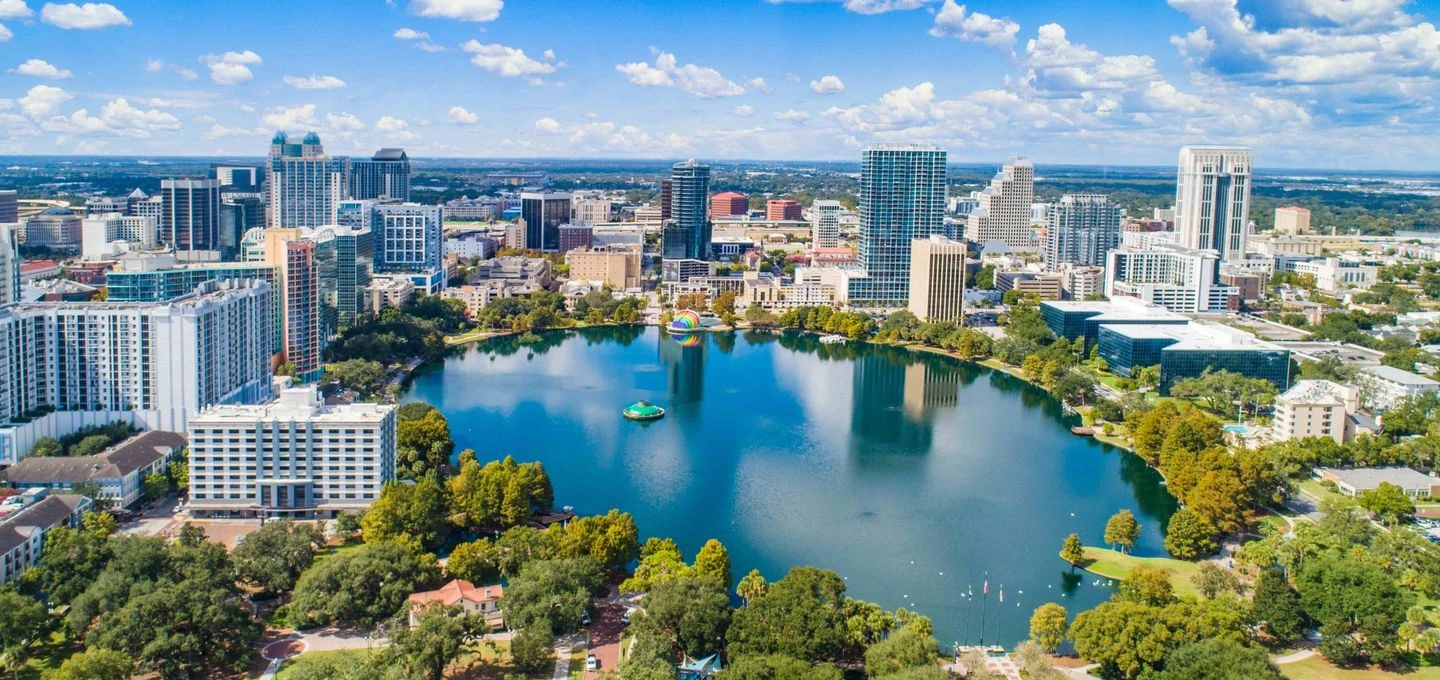
Downtown Orlando is the deepest pool of replacement property in the metro, and that depth is exactly what makes exchange scheduling harder rather than easier. With office towers along Orange Avenue, medical campuses tied to Orlando Health and AdventHealth, and a growing residential base near Lake Eola and Creative Village, an investor can spend the entire 45-day window comparing options instead of closing on one. The discipline that works here is narrowing the search fast and holding a firm backup list rather than chasing every candidate that surfaces, since the volume of listings can create the illusion that there is always time for one more comparison.
A Dense, Mixed-Use Downtown Property Mix
Office towers around Orange Avenue and Church Street range from older Class B buildings to newer Class A space serving law, finance, and health-system tenants, often mixed with ground-floor retail and structured parking. Medical office tied to the Orlando Health and AdventHealth campuses sits close to downtown but tends to underwrite on hospital-system tenant stability rather than general market rent.
High-rise and mid-rise apartment product near Lake Eola and Thornton Park has expanded quickly, and a smaller set of hospitality-adjacent buildings serves the corridor between downtown and the tourism district further south.
I-4, SR 408, and Airport Access
I-4 and SR 408 carry the bulk of downtown commuter and freight traffic, while SR 528 connects toward Orlando International Airport for hospitality-adjacent and logistics tenants. Because downtown covers several distinct pockets, from the financial district near Orange Avenue to the residential edge near Thornton Park, a comparable sales search should stay specific to the block rather than treating all of downtown as one pricing pool.
Narrowing a Downtown Search Without Losing Time
The volume of available Orlando product makes a fixed sequence more important, not less:
- Set hard criteria for property type, tenant profile, and price range before touring, to avoid burning days on non-qualifying candidates
- Pull comparable sales by sub-pocket, such as the financial district or Thornton Park, rather than downtown as a whole
- Confirm hospital-system or anchor-tenant lease terms early for any medical office candidate
- Line up lender terms in parallel with property selection, since downtown financing can involve more layers of review on larger buildings
- Keep two backup candidates identified given how quickly downtown listings can go under contract
Where Downtown Orlando Files Slip
The most common delay is treating the volume of available listings as a reason to keep looking past the point where a decision needs to be made, which eats into the 45-day window without producing a better outcome. A second slippage point is underwriting a hospital-system medical office building using general downtown office comparables, when tenant credit and lease structure in that segment behave differently. A third is assuming that a downtown residential-adjacent building near Thornton Park will underwrite the same way as a financial-district office tower simply because both sit within walking distance of Lake Eola.
Backup Path Beyond the Downtown Core
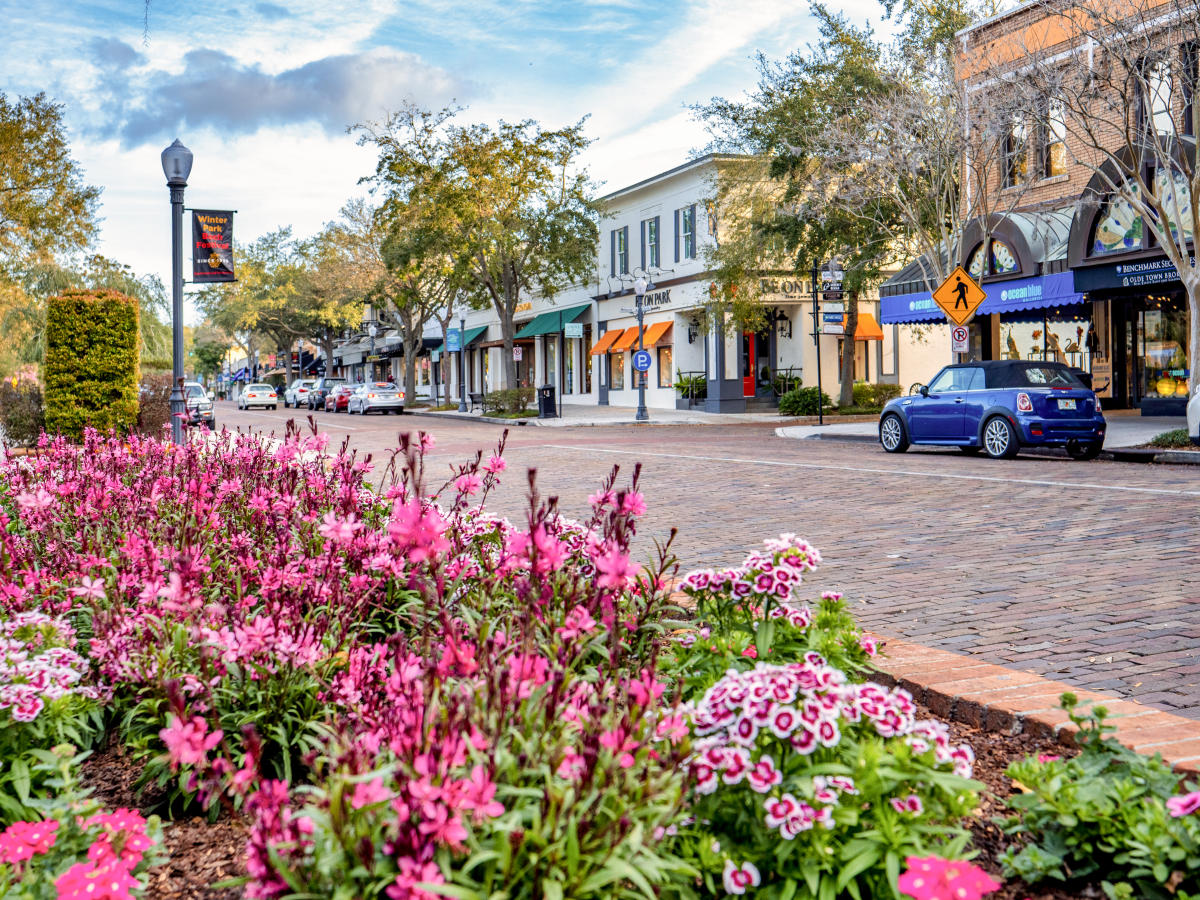
When a downtown candidate stalls, Winter Park, Maitland, Lake Nona, and Kissimmee each offer a different version of the same property types, from established office parks to newer medical and multifamily construction. Reusing the downtown research on those alternates is only useful as a starting point; each still needs its own tenant, financing, and title review before it can replace the original candidate on the identification list, and the closing timeline should be reconfirmed with the new seller rather than assumed to match the original downtown target.
Common 1031 Exchange Questions
Is it harder to hold the 45-day identification window in downtown Orlando because of how many properties are available?
It can be, mainly because investors sometimes keep evaluating additional candidates instead of committing to one within the window. Setting firm criteria for property type and price before touring, and holding to a short list, keeps the volume of downtown inventory from working against the deadline.
How does a qualified intermediary handle a downtown Orlando office-to-multifamily exchange?
The qualified intermediary's role does not change based on property type: it holds the relinquished-property proceeds and prepares the required exchange paperwork regardless of whether the investor is moving from office into multifamily or staying within the same asset class.
Can an Orlando investor identify three completely different property types under the three-property rule?
Yes, the rule allows identification of up to three replacement properties of any type or value, so an office building, a medical building, and an apartment property can all appear on the same list. Only one needs to ultimately close, though each identified property should be genuinely under consideration.
What counts as boot in a downtown Orlando exchange into a smaller building?
Boot generally arises when the replacement property's price or the associated debt is lower than what was relinquished, with the shortfall potentially treated as taxable. This is a common issue when an investor exchanges out of a larger downtown asset into a smaller, lower-leverage building, and it should be reviewed with a tax advisor before closing.
Does downtown Orlando's dense zoning create issues for an improvement exchange?
It can, since permitting and site plan review in a dense downtown block may take longer than in a suburban submarket, which matters if construction needs to be substantially complete within the 180-day period. Confirming permitting timelines with the municipality early is worth doing before relying on an improvement exchange structure downtown.