Sanford runs two submarkets on different clocks: a revitalizing historic downtown along First Street near Lake Monroe, and an airport-adjacent industrial belt tied to Orlando Sanford International Airport. A 1031 exchange out of one and into the other needs a schedule that treats them as separate deals with separate diligence rather than a single Sanford search running on one set of assumptions, since the tenants, financing sources, and closing timelines in each segment rarely overlap.
Two Property Profiles Under One City Name
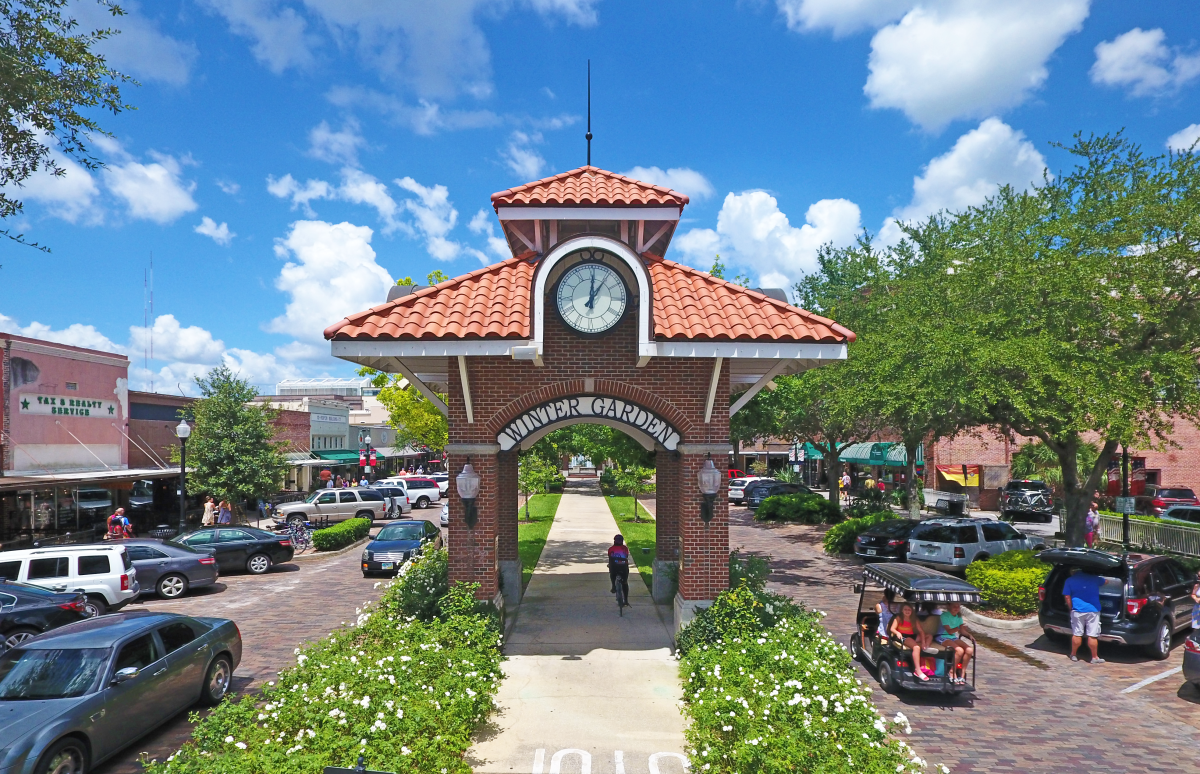
Downtown, along First Street and the Riverwalk, retail and small multifamily buildings occupy century-old storefronts, with several requiring historic-district review before renovation. Near the airport, the property mix shifts to industrial, flex, and self-storage buildings serving cargo, logistics, and aviation-adjacent tenants who need direct runway or highway access, and lease terms in that segment tend to run longer than the turnover typical of downtown retail.
A smaller band of residential rentals fills the gap between the two districts, generally trading on standard single-family or small multifamily comparables rather than either specialty pool, though proximity to either district can still influence which comparable set applies to a given rental property.
US 17-92, I-4, and Airport Access
US 17-92 and I-4 connect Sanford to the rest of Seminole County, while direct airport access is what makes the industrial belt distinct from anywhere else in the metro. A comparable search should keep historic downtown and airport-industrial pricing entirely separate, since financing terms, tenant credit, and even zoning review timelines differ sharply between the two. Lake Monroe waterfront parcels add a third pricing layer of their own, often trading closer to the downtown comparable set than to the industrial one despite sitting between the two districts.
Scheduling Across Two Sanford Submarkets
Because Sanford is really two markets, the identification sequence should confirm which one applies before comparable research even starts:
- Decide early whether the replacement search targets historic downtown or airport-industrial product, since mixing the two slows comparable analysis
- Confirm historic-district review requirements before counting on a downtown building for an improvement exchange
- Verify cargo, logistics, or aviation-tenant lease terms separately from standard flex or self-storage tenants near the airport
- Check lender familiarity with airport-adjacent industrial financing, which can move faster than downtown historic-building underwriting
- Hold one backup candidate in each submarket if the choice between downtown and airport-industrial is still open
Where Sanford Files Slip
The most common delay is discovering a historic-district approval requirement after a downtown building has already been identified, which can threaten a renovation-dependent closing inside the 180-day period. A second slippage point is underwriting an airport-adjacent industrial building using downtown retail comparables, when the two submarkets have almost nothing in common beyond sharing a city name. A third is assuming a cargo or logistics tenant's operating hours and access needs match a standard flex tenant's, which can affect both lease review and site inspection scheduling.
Backup Path Across Seminole County
If a preferred Sanford candidate stalls, Lake Mary, DeLand, Oviedo, and Altamonte Springs each offer a version of one side of Sanford's split character, whether that is corporate office, industrial, or family-driven retail. Each backup candidate should be reviewed on its own terms, since none of them replicate Sanford's specific combination of historic downtown and airport-industrial demand, and a broker should confirm which segment of Sanford the investor was originally targeting before recommending a substitute from either neighboring market.
Common 1031 Exchange Questions
Why does it matter whether a Sanford exchange targets downtown or airport-industrial property?
The two submarkets have different tenant profiles, financing patterns, and regulatory review, so mixing comparable data between them can distort the identification analysis. Deciding which submarket the replacement search will focus on before pulling comparables keeps the 45-day window from being spent reconciling incompatible data.
Does a historic-district building in downtown Sanford complicate an improvement exchange?
It can, since renovation work may require design review approval before it can proceed, and that approval process needs to fit inside the 180-day exchange period. Confirming the review timeline with the city before relying on an improvement exchange structure is worth doing early.
What is the qualified intermediary's role in a Sanford airport-industrial exchange?
The intermediary's role does not change based on property type: it holds the relinquished-property proceeds and prepares the exchange paperwork whether the replacement property is an airport-adjacent flex building or a downtown storefront.
Can a Sanford investor identify one downtown property and one airport-industrial property under the three-property rule?
Yes, the rule allows up to three identified replacement properties of any type or value, so a downtown retail candidate and an airport-industrial candidate can both appear on the same list. This is a common approach in Sanford given how differently the two submarkets can perform.
Is boot a risk when exchanging Sanford downtown retail into airport-adjacent industrial property?
It can be, particularly if the industrial replacement carries a smaller purchase price or less debt than the relinquished downtown property, since the difference may be treated as taxable boot. This is worth reviewing with a tax advisor before the identification list is finalized.
How does a lender typically view Sanford's airport-adjacent industrial stock compared to downtown retail?
Lenders often treat airport-adjacent industrial and flex buildings as more straightforward to underwrite once tenant leases and access are confirmed, while historic downtown buildings can involve additional review tied to renovation history or district status. Sorting out which category a target property falls into before submitting a loan application can shorten the underwriting timeline noticeably.