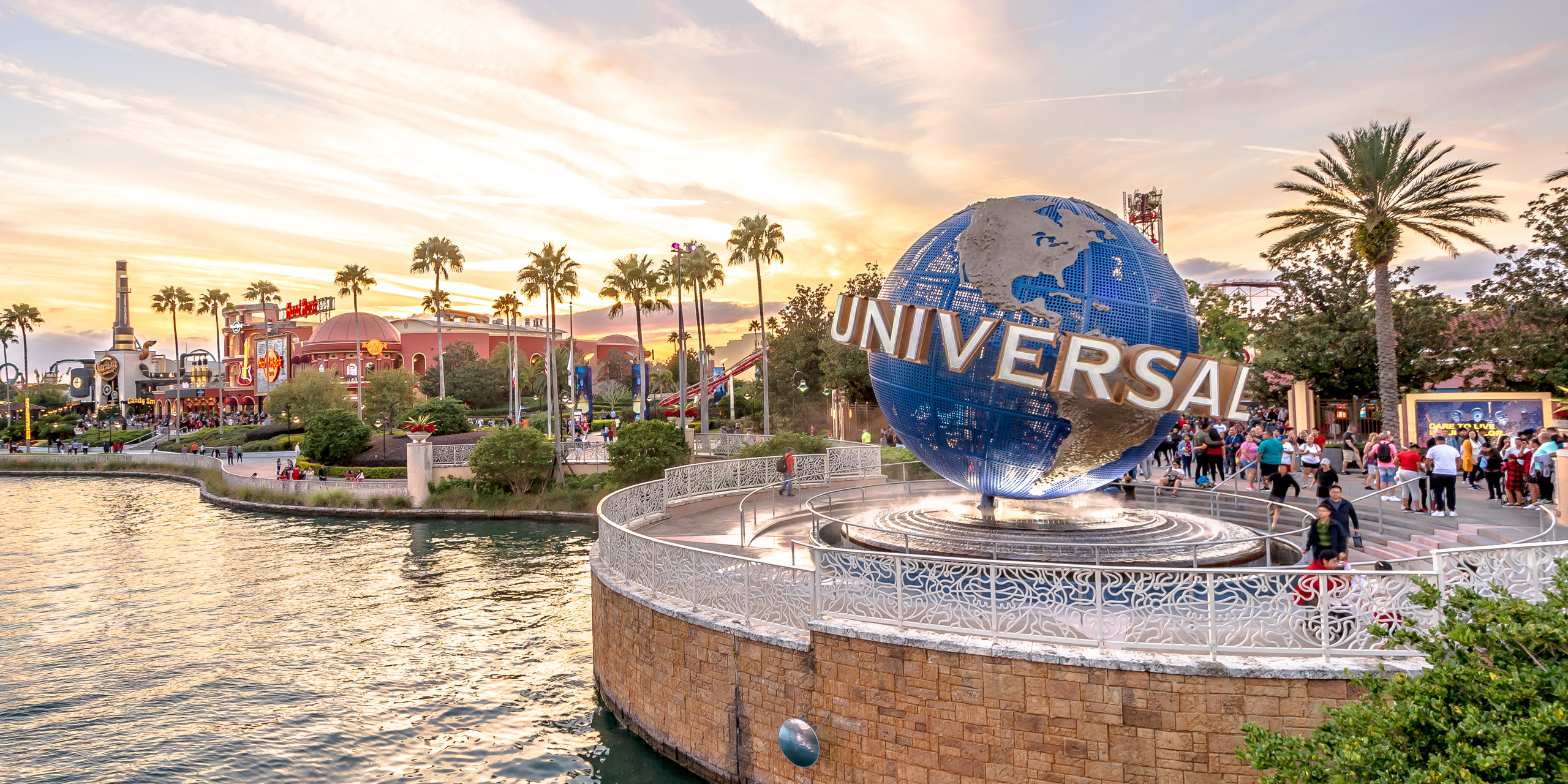
Orlando does not price as one market. Hospitality-adjacent property near the attractions, medical office in Lake Nona, and industrial space along the Beachline each move on different demand drivers and different comparable sets, and applying one submarket's cap rate assumptions to another is a fast way to overpay on a replacement property. We build the comparable set specific to the asset under consideration before it goes on the identification list.
Why the Theme Park Economy Skews Hospitality Comparables
Short-term rental and hospitality-adjacent units near International Drive and the US-192 corridor price partly on tourism demand and occupancy patterns tied to the theme parks, which behave differently than standard residential or commercial rent comparables. We pull comps from properties with genuinely similar proximity and rental model, since a unit three miles further from the attractions can carry a meaningfully different income profile despite looking similar on a map.
How We Build the Comparable Set
- Recent sale comparables filtered by submarket rather than city alone
- Rent comparables adjusted for lease term and tenant quality
- Cap rate context specific to the asset class and location
- Building condition and vintage adjustments
- Days-on-market trend for the specific corridor
Lake Nona and UCF Research Park Pricing Dynamics
Medical office and lab-adjacent space near Lake Nona's medical city and the UCF research corridor has drawn institutional interest tied to Nemours, the VA hospital, and university-affiliated research activity, which can compress cap rates relative to older medical buildings elsewhere in the metro. We separate these newer, institutionally backed comparables from older suburban medical stock so the investor is not comparing pricing across two different buyer pools.
Why No State Income Tax Changes the Buyer Pool
Florida's lack of a state income tax draws exchange capital in from higher-tax states, which has kept demand for Orlando replacement property elevated relative to comparable Sun Belt metros. That inbound capital affects pricing more in institutional asset classes, like stabilized industrial and medical office, than in smaller hospitality or retail assets where the buyer pool is more local. We factor that difference into how much weight out-of-market comparable sales deserve.
Turning the Analysis Into an Identification Decision
The comparable set is only useful if it changes the identification decision, so we summarize where a candidate's asking price sits relative to its true comparable range and flag anything priced outside that range before it is named in the identification letter. That summary is also what we hand to the investor's advisor for review alongside the rest of the exchange file.
How Insurance Costs Fold Into the Pricing Picture
Two otherwise comparable properties in this market can carry very different net returns once insurance is factored in, since wind mitigation credits, flood zone designation, and building age all affect premium cost meaningfully. We include an estimated insurance line in the comparable summary rather than treating price and rent as the only variables that determine whether a candidate is fairly valued.
Reading Days-on-Market as a Pricing Signal
A property that has sat on the market well beyond the typical pace for its submarket often signals a pricing gap between the seller's expectations and where comparables actually support value, even when the listing price has not moved. We treat an unusually long days-on-market figure as a prompt to dig deeper into the comparable set rather than assuming the property is simply undiscovered.
Common 1031 Exchange Questions
Why can't one cap rate assumption apply across all of Orlando?
Hospitality-adjacent, medical office, and industrial submarkets move on different demand drivers and different buyer pools, so a cap rate that fits one asset class can significantly misprice another.
How do tourism patterns affect hospitality-adjacent comparables?
Short-term rental income near the theme parks depends partly on occupancy tied to tourism demand, so comparables need to come from properties with a genuinely similar proximity and rental model rather than nearby addresses alone.
Why is Lake Nona medical office priced differently than older medical buildings?
Institutional interest tied to Nemours, the VA hospital, and university research activity has drawn a different buyer pool to that corridor, which can compress cap rates relative to older suburban medical stock.
Does Florida's no state income tax status actually affect local pricing?
It contributes to elevated demand from out-of-state exchange capital, particularly in institutional asset classes like stabilized industrial and medical office, more than in smaller local hospitality or retail assets.
What happens if a candidate is priced outside its comparable range?
We flag it before it goes on the identification list so the investor and their advisor can weigh whether the premium is justified or whether a better-priced alternative should move up the list instead.
Does insurance cost factor into your comparable analysis?
Yes. Wind mitigation status, flood zone, and building age can create meaningfully different premium costs between similar-looking properties, so we include an estimated insurance line in the pricing summary.
What does it mean if a property has been on the market much longer than similar listings?
It often signals a gap between the seller's asking price and what comparables actually support, even if the price hasn't changed, so we treat it as a reason to dig deeper rather than assume it's simply overlooked.
How often is the comparable set refreshed during a search?
We refresh it as new sales close or listings shift, since a comparable set built once at the start of the 45-day window can go stale before the identification letter is finalized and delivered to the qualified intermediary.