Mount Dora is a small Lake County market, and the honest starting point for any exchange here is that investment-grade inventory is thin. A 1031 exchange out of a historic downtown building or a small Lake County rental has to plan around fewer available candidates than a larger Orlando submarket offers, which means the backup identification list has to be built earlier and checked more carefully rather than assembled at the last minute. Treating this market's small scale as a scheduling constraint, rather than pretending it behaves like a larger submarket, is what keeps the 45-day window realistic.
A Small-Scale, Destination-Driven Property Mix
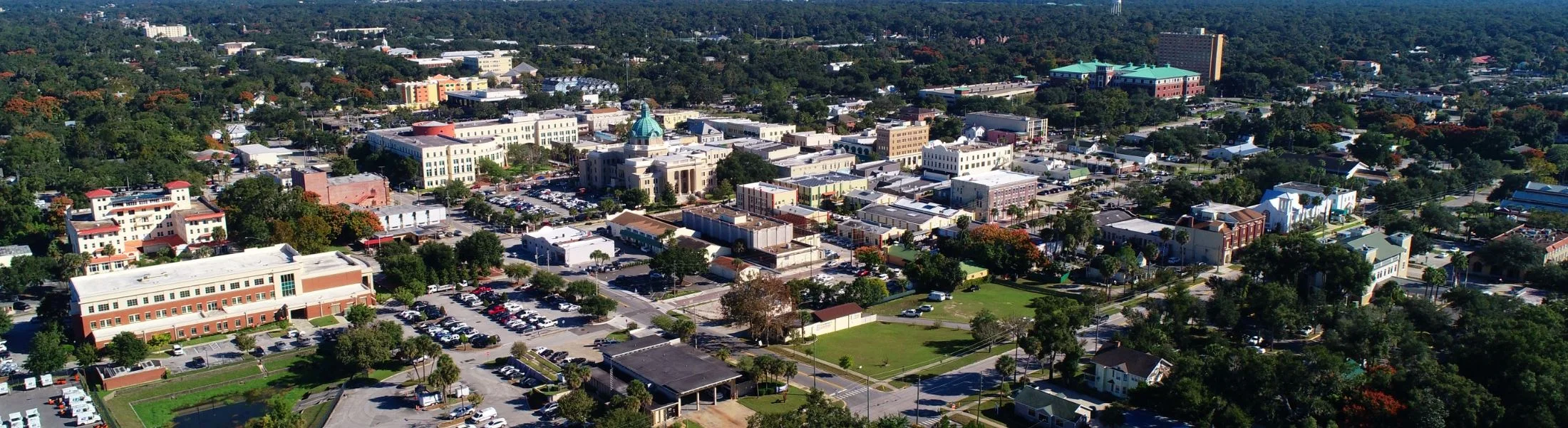
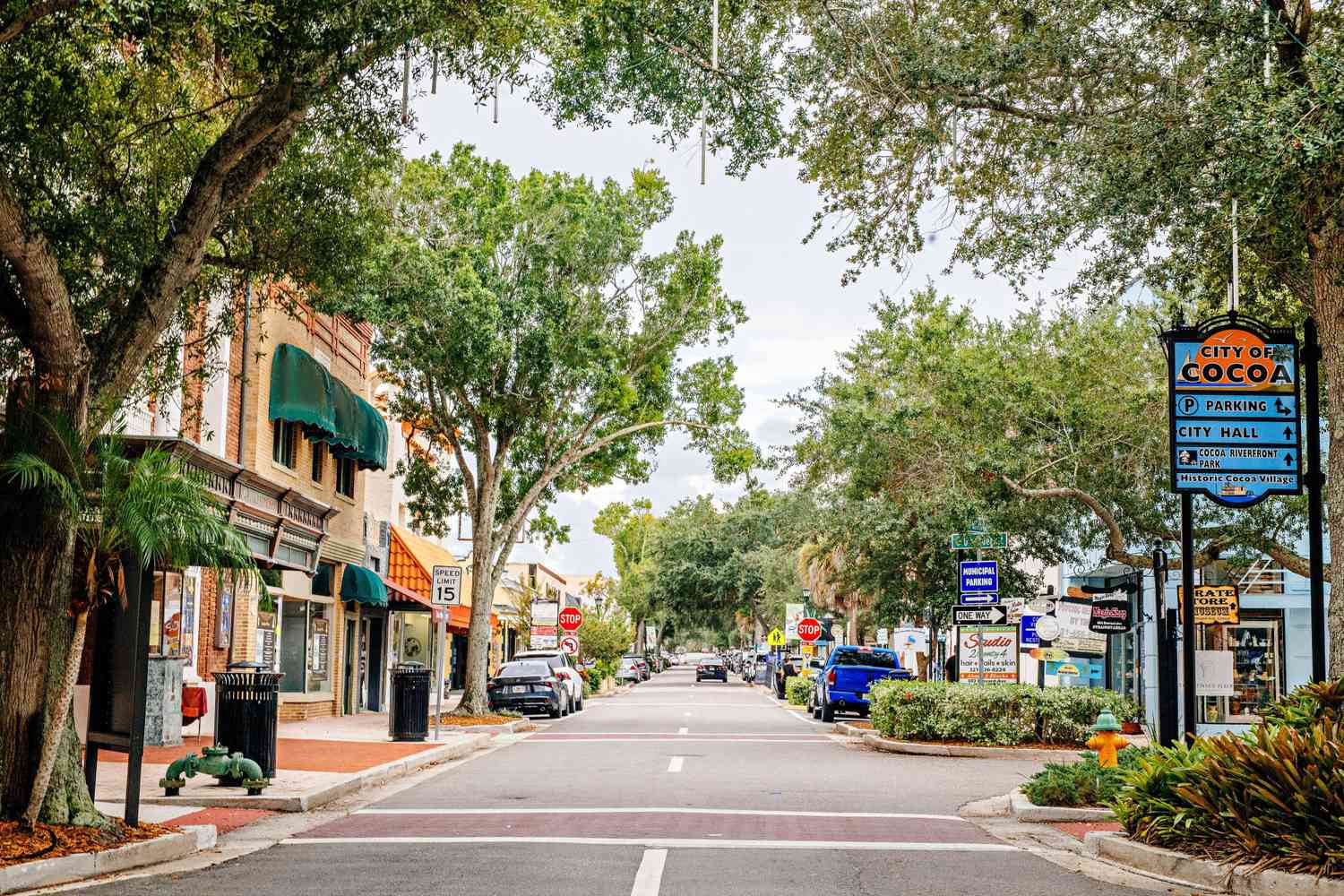
The historic downtown along Donnelly Street holds boutique retail, a handful of bed-and-breakfast style buildings, and small professional office space, much of it in century-old structures with limited floor plates. Outside downtown, Mount Dora's commercial stock is mostly small multifamily and single-tenant retail serving the surrounding Lake County population rather than regional shoppers.
Because the town's economy leans on tourism and antiques traffic, several of the available buildings carry use restrictions or historic-district review requirements that affect renovation timelines and financing.
US 441, Donnelly Street, and Access Toward Tavares
US 441 and SR 46 carry most of the traffic in and out of town, with Donnelly Street functioning as the commercial spine of the historic core. A replacement property search in Mount Dora should factor in that many of the strongest downtown buildings rarely trade, so a broker working this file needs to track quiet listings and off-market conversations as much as active ones.
Scheduling a Search When Inventory Is Thin
Because so few Mount Dora properties come to market in a given year, the identification sequence has to start earlier and lean harder on backup options:
- Start comparable research before the relinquished property is even under contract, given how few Mount Dora sales occur in a typical year
- Confirm whether a historic-district building carries renovation or use restrictions that could affect financing timelines
- Contact owners of quiet or off-market Mount Dora buildings directly rather than waiting on new listings
- Expand the search radius toward Lake County neighbors early if the primary Mount Dora candidate is uncertain
- Keep at least one backup candidate outside the historic district, since that inventory moves faster
Where Mount Dora Files Slip
The most common delay is discovering a historic-district review requirement late, after a building has already been identified, which can push a renovation-dependent closing past the 180-day period. A second slippage point is assuming small-town scale means simple underwriting; a bed-and-breakfast style building or a mixed-use downtown property often needs more scrutiny of permitted use than a standard retail box would. A third is waiting until the relinquished property is under contract to start researching Mount Dora inventory at all, given how few genuine candidates typically exist at any one time.
Backup Path Across Lake County
When a Mount Dora candidate is unavailable or too slow to close in time, Apopka, Clermont, DeLand, and Sanford offer nearby alternates with more consistent transaction volume, though none of them replicate Mount Dora's historic-district character exactly. Each of those markets should be evaluated on its own property type and financing terms rather than as a direct substitute; the goal of the backup list is a closeable deal inside the window, not a matching aesthetic. Keeping that distinction clear from the outset avoids the disappointment of comparing a Lake County alternate against a Mount Dora original that was never truly comparable.
Common 1031 Exchange Questions
Is it harder to meet the 45-day identification window in a small market like Mount Dora?
It can be, since fewer properties trade here in a given year compared to a larger Orlando submarket. Starting comparable research and outreach to off-market owners before the relinquished property closes helps offset the thinner inventory.
Do historic-district rules in Mount Dora affect exchange timing?
They can. A building inside the historic district may require design review or use approval before renovation work can begin, which should be confirmed before relying on an improvement exchange to meet the 180-day closing period.
What is a qualified intermediary's role in a Mount Dora exchange?
The qualified intermediary holds the sale proceeds from the relinquished property and prepares the required exchange paperwork, keeping the investor from taking constructive receipt of the funds. That role is the same in Mount Dora as anywhere else, though engaging one early matters more when a suitable replacement may take longer to locate.
Can a Mount Dora investor identify properties outside Lake County as backups?
Yes, the three-property rule allows up to three identified replacement properties of any value regardless of location, and there is no requirement that they stay within the same county. Investors in thin markets like Mount Dora often use this to include a nearby Orlando-area alternate alongside a local candidate.
Does the 95 percent rule ever apply to a small-scale Mount Dora exchange?
It can, if an investor identifies more than three properties with a combined value exceeding 200 percent of the relinquished property's sale price; in that case, the rule generally requires acquiring at least 95 percent of the identified value to keep the exchange valid. This situation is less common in a market as small as Mount Dora, but it is worth confirming with a qualified intermediary if the identification list grows.